
CS2 Trust Factor Explained: What Actually Moves It
If every CS2 match seems to have a cheater, a griefer, or a toxic teammate, your Trust Factor might be the reason. It's a hidden system that shapes who you get matched with, and most players don't really understand how it works. This guide covers what Trust Factor is, what improves it, and why "just spend money" won't fix it on its own.
What is Trust Factor?
Trust Factor is Valve's hidden reputation score. It works a bit like a credit score for your Steam account: it reflects how reliable you are as a player and decides the quality of your matchmaking. A high Trust Factor gets you cleaner lobbies, fewer cheaters, and more cooperative teammates. A low one gets you rage hackers, griefers, and the kind of matches that make you want to uninstall.
Valve keeps the exact formula secret on purpose. The original Trust Factor blog post says it directly: "We're not providing the list of factors in the Trust Factor matchmaking system." If Valve published the list, players would start gaming those specific metrics instead of just playing normally, and the system changes often enough that any list would be out of date quickly. What we know comes from Valve's own limited statements, community testing, and years of player experience.
How to check your Trust Factor
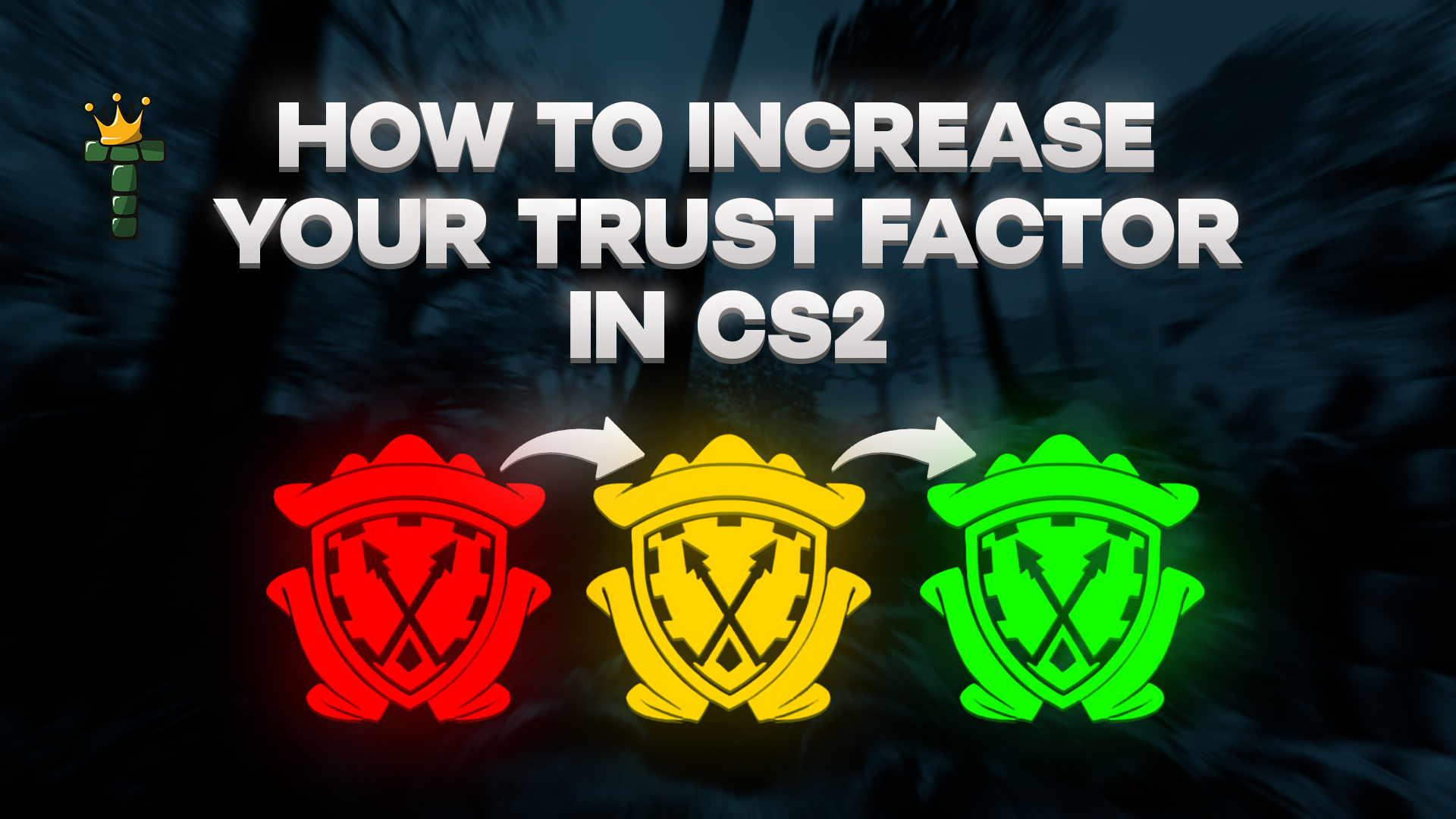
There's no number or dashboard to look at. The best method the community has found is to invite a friend to your lobby before you queue. If one of you has a lower Trust Factor, a warning appears, and its color tells you how big the gap is:
- No warning: you're both in good standing.
- Yellow: someone in the party has a "slightly lower" Trust Factor, and match quality may drop a little.
- Red: someone in the party has a "significantly lower" Trust Factor, so expect rougher lobbies.
The warning is shown to your party members, not to you, so someone else has to be in the lobby to see it and tell you.
What improves Trust Factor
Stop getting reported
This is the biggest factor. Reports for griefing, cheating, or abusive chat hurt you more than almost anything else. Don't flame, troll, teamkill, or go AFK. A couple of games where you lose your temper can set you back for weeks.
Stop getting kicked
Getting vote-kicked often hurts your Trust Factor, even when the kicks weren't fair. Don't give other players a reason to start a vote, and don't join games you plan to leave early.
Get Prime and link a phone number
Valve has confirmed this one: a verified phone number on your account, plus Prime status, counts in your favor. It won't guarantee anything, since a Prime account with a bad report history can still be red, but if your Trust Factor won't move and you haven't done this, start here.
Secure your account
Turn on Steam Guard and the mobile authenticator, verify your email, and don't share your account. A secure account tells Valve there's a real, responsible person behind it.
Build up real CS2 experience
Playtime, rank history, and service medals all feed the account-age and experience signals Valve has mentioned. A new account with a handful of hours won't look as trustworthy as one with a long track record, however clean your behavior has been.
Be active in the Steam community
Writing comments, subscribing to Workshop items, adding friends, and taking part on the platform in a positive way all count. Commending teammates after matches helps too, and getting commended by others counts directly in your favor.
Build your inventory naturally
Valve treats your inventory as a sign that the account is legitimate. Quantity and variety matter more than price. An inventory built up over time looks like it belongs to a real long-term player, while an empty one looks like a burner account.
Play other Steam games cleanly
What you do outside CS2 counts too. Cheating in another Valve game, going AFK in Dota 2, or getting banned anywhere on Steam can pull your CS2 Trust Factor down.
Queue with high Trust Factor friends
Playing with green Trust Factor players over time can slowly help your own score recover, as long as you keep playing clean.
Be patient
Trust Factor is designed to change slowly. If you're recovering from a bad stretch, expect at least two to four weeks of consistently clean play before things improve.
Does spending money help? The "$500 theory"
This is probably the most discussed Trust Factor theory in the community. The short answer is that it might help indirectly, but not in the way people expect.
Valve has never confirmed that spending money improves Trust Factor. Plenty of players report spending hundreds of dollars on Steam with no change to their matchmaking, and Valve's own guidance has never mentioned money as a factor.
What seems to matter is what the spending leaves behind on your profile: purchased games, an inventory that grew over time, and market activity, which together make you look like a real long-term Steam user. Putting a lump sum into your wallet and expecting a boost the next day is a different thing. Valve has also kept tightening its matchmaking analysis around this gap. Recent changes rely more on actual match history and in-game stats than on account signals alone, so an account that spends money but doesn't play like a real player counts for less than it used to.
Spending money also won't fix an account that's been flagged for cheating, has a VAC ban, or has a long history of reports. No amount of Steam purchases outweighs that.
Valve's advice has always been to "be a positive member of the CS:GO and Steam community" and keep playing legitimately, since the more you play, the more information the system has. That's still the best summary of how Trust Factor works. Play fair, keep your account secure, treat your teammates well, and keep playing. Your Trust Factor won't change overnight, but your matches will get better if you keep it up.